
Honda CR-V vs Nissan X-Trail: Which Used Family SUV Should You Buy?
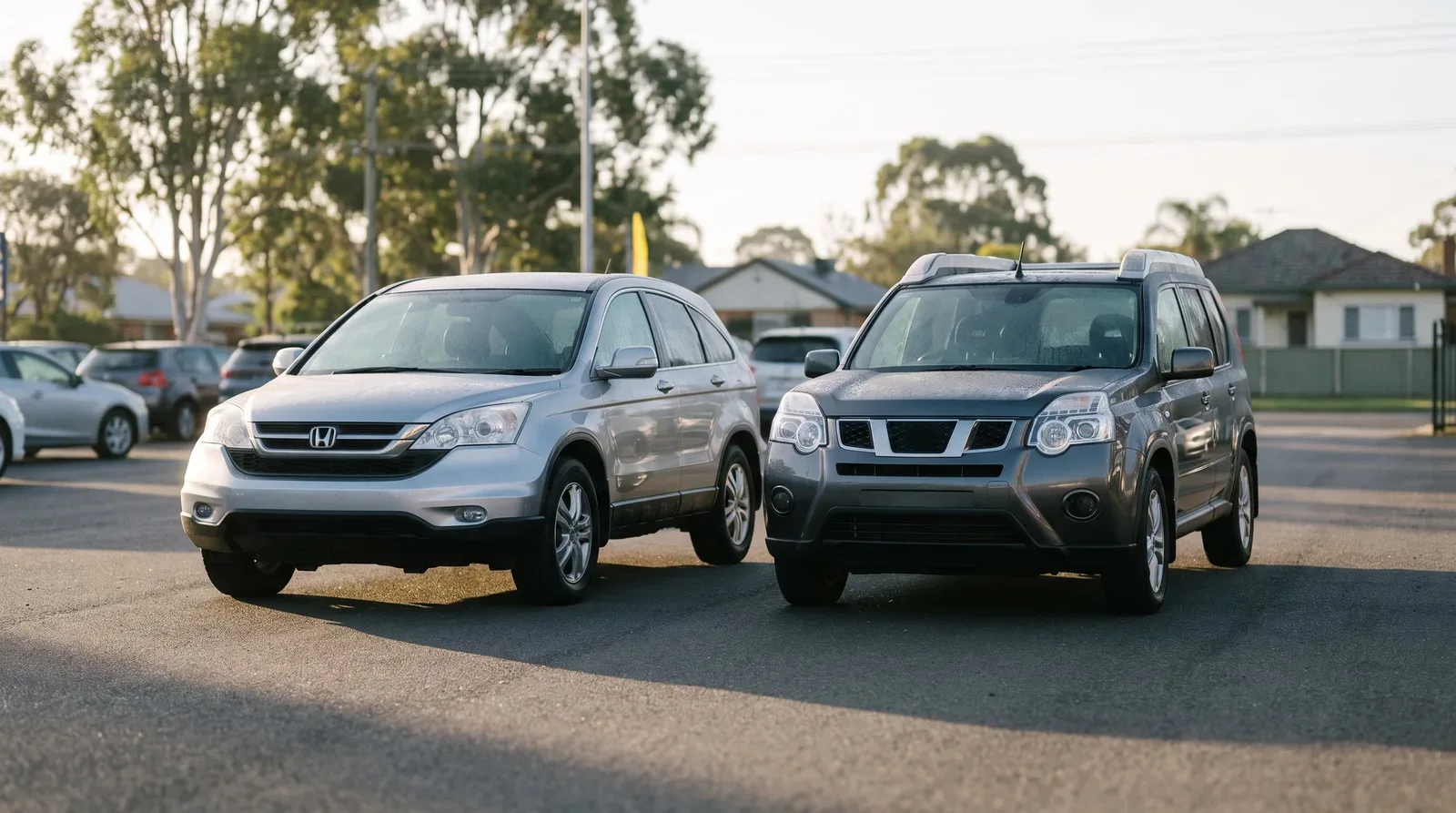
For most Australian families buying used, the Honda CR-V is the stronger all-round pick. It is efficient, holds its value, and has a solid reliability record. The Nissan X-Trail wins if you need seven seats across more model years or want a frugal diesel. Both carry a 5-star ANCAP rating on the popular 2014 to 2022 model years. Choose on service history, not badge. If you are still weighing your options, our used car buyer's guide walks through the basics.
Choose the Honda CR-V if you want…
The best resale value and a strong reliability record.
A large, practical five-seat boot for everyday family loads.
Low, predictable running costs from a 1.5 litre turbo petrol.
Choose the Nissan X-Trail if you want…
A genuine seven-seat layout available on more model years.
A frugal turbo diesel for high-kilometre country driving.
Generous standard safety gear on higher grades.
How do the CR-V and X-Trail compare on the numbers?
Both are mid-size SUVs built for family life, and both earned the maximum 5-star ANCAP rating on their popular generations (Honda CR-V RW and Nissan X-Trail T32, 2017 date stamp). The table below sums up the key facts for used buyers. Figures are indicative and checked against manufacturer and Australian Government sources in August 2026.
Feature | Honda CR-V (RW, 2017 to 2023) | Nissan X-Trail (T32, 2014 to 2022) |
|---|---|---|
Body type | Mid-size SUV | Mid-size SUV |
Seats | 5, or 7 on VTi-L7 | 5, or 7 on many grades |
Main petrol engine | 1.5L turbo, 140kW/240Nm | 2.5L, 126 to 135kW |
Diesel option | No (RW) | Yes, 1.6L turbo diesel |
Petrol economy (ADR) | about 7.0 to 7.4 L/100km | about 7.9 to 8.3 L/100km |
Diesel economy | n/a | from about 5.3 L/100km |
Transmission | CVT | CVT |
ANCAP | 5 stars (2017) | 5 stars (2017) |
Used price (2016 to 2017) | about $12,000 to $21,000 | about $12,000 to $20,000 |
Key strength | Reliability, resale, economy | Seven seats, diesel option |
You can confirm official fuel and emissions figures for both cars on the Australian Government's Green Vehicle Guide.
Which SUV is more reliable as a used buy?
The used Honda CR-V has the stronger reliability and resale reputation of the two. Honda's mid-size SUV is widely regarded as dependable, roomy and cheap to run, and the fifth-generation RW (2017 to 2023) uses a proven 1.5-litre turbo petrol making 140kW/240Nm.
The Nissan X-Trail T32 is dependable too, but it has one well-known watch-out: the CVT, or continuously variable transmission, a gearbox with no fixed gears built by Jatco. Some owners report shuddering or slipping, most often where the CVT fluid has not been changed on schedule. In the United States, Nissan settled a CVT class action for US$277.7 million. In Australia, buyers are protected by consumer guarantees on used cars, so it pays to know your rights before you sign (ACCC).
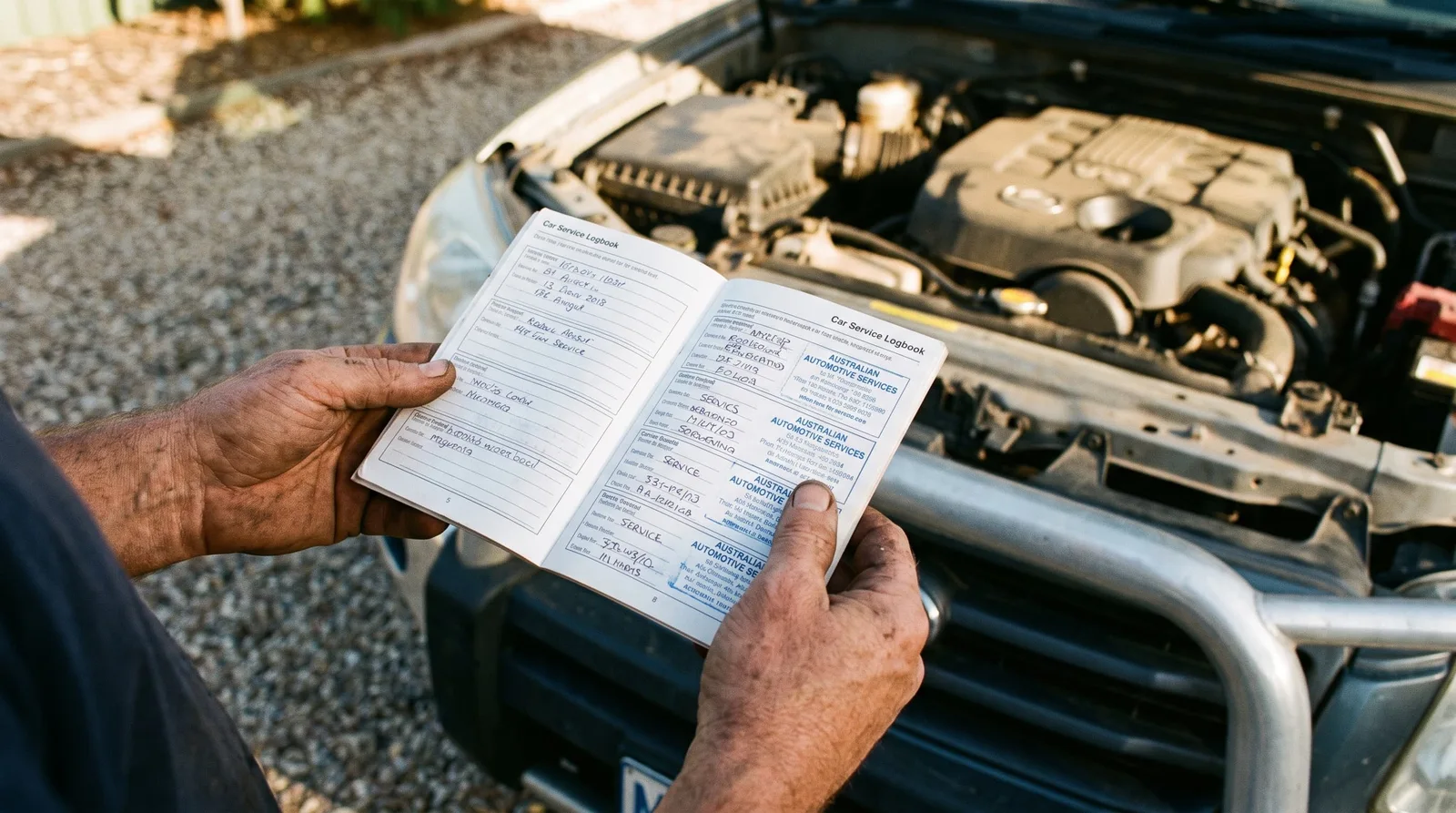
The practical takeaway: both can be excellent used buys. What matters most is the service history. A CR-V or X-Trail with a full logbook and documented transmission fluid changes will almost always beat a cheaper example with gaps in its records.
What should you check before you buy either one?
Full service history, with proof of CVT fluid changes.
A test drive from cold, listening for shudder or hesitation.
Timing chain and injector health on diesel X-Trail models.
Even tyre wear and clean, leak-free undertrays.
An independent pre-purchase inspection before you commit.
Five seats or seven? Space and practicality
Family size decides a lot here. The Nissan X-Trail offered a seven-seat layout across many T32 grades, which widens your choice of used stock if you need occasional extra seats. The third row suits children and shorter trips rather than adults on long drives. For more options, see our guide to the best used family SUVs and 7-seaters in Australia.
The Honda CR-V was mostly a five-seater, but the RW VTi-L7 (2017 to 2022) added a seven-seat option. Five-seat CR-V models have a large, well-shaped boot that many families prefer for prams, sport and shopping.
If you regularly carry more than five people, the X-Trail is the easier fit. If it is the family plus gear, both work well, and the CR-V's boot is a standout.
Running costs: fuel, servicing and resale
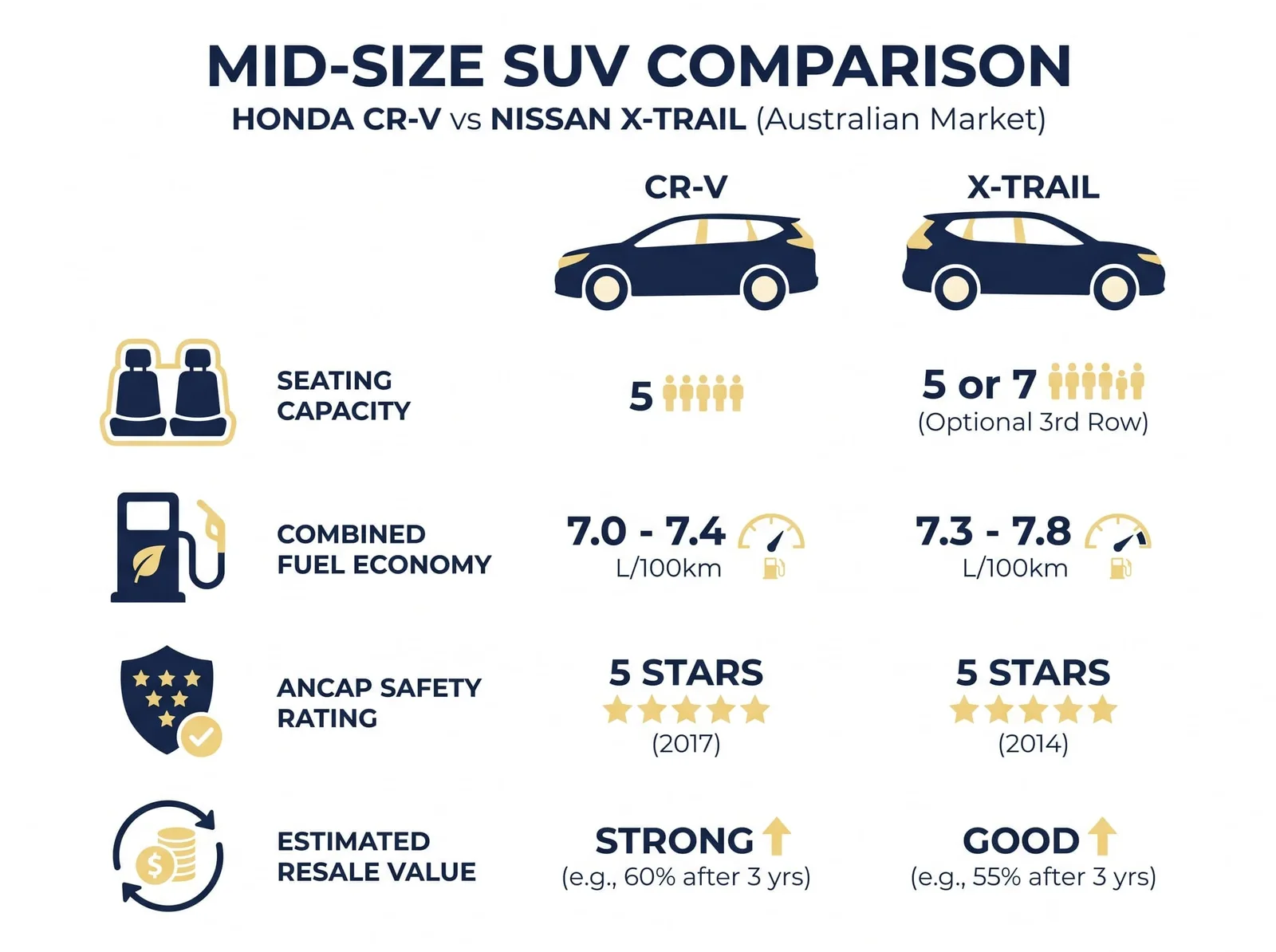
On fuel, the CR-V has a slight edge among petrol models. The 1.5 litre turbo returns roughly 7.0 to 7.4 L/100km on the ADR combined cycle, against about 7.9 to 8.3 L/100km for the X-Trail's 2.5 litre petrol. If you cover big country kilometres, the diesel X-Trail is the cheapest to feed, using from about 5.3 L/100km. Not sure which fuel suits you? Our guide on diesel versus petrol used cars can help.
Servicing on both is straightforward and widely supported by independent mechanics, not just dealers, which keeps costs sensible as the car ages.
Resale is a real CR-V strength. Hondas tend to hold their value, so a well-kept CR-V is usually easier to sell later. That is worth weighing if you plan to change cars in a few years.
Safety: what do you get as standard?
Both generations hold a 5-star ANCAP rating, but the exact driver-assistance kit depends on the grade and build date, so always check the specific car. Higher X-Trail grades bundled strong standard safety, including autonomous emergency braking, or AEB, which brakes automatically to help avoid a crash, plus forward collision warning, rear cross-traffic alert and a 360-degree camera.
Honda spread similar features across the CR-V range, especially the Honda Sensing suite on later RW models. The key point for used buyers: two cars of the same age can carry very different safety gear depending on grade, so read the features list before you commit.
So which used family SUV wins?
There is no single winner for everyone. The Honda CR-V is the smart pick for reliability, resale, economy and a big five-seat boot. The Nissan X-Trail wins for seven seats across more model years, a frugal diesel, or generous standard safety on higher grades.
Whichever you choose, buy on condition and history, not badge. A clean, well-serviced example of either will serve a family well for years. Browse the current used SUV listings at J & V Elite Motors, explore your car finance options, or get in touch and we will match the right SUV to your family and budget.
Frequently Asked Questions
Is the Honda CR-V more reliable than the Nissan X-Trail?
Both are dependable when serviced on time. The CR-V has the stronger overall reliability and resale reputation, while the X-Trail's main watch-out is CVT care. A full service history matters more than the badge.
Does the Nissan X-Trail come as a seven-seater?
Yes. Many T32 X-Trail grades (2014 to 2022) offered seven seats. The third row suits children and short trips rather than adults on long drives.
Can you get a seven-seat Honda CR-V?
Yes, but only on the RW VTi-L7 (2017 to 2022). Most other CR-V models are five-seaters with a large boot.
Which is cheaper to run, the CR-V or the X-Trail?
Among petrol models, the CR-V is slightly more economical, at about 7.0 to 7.4 L/100km versus 7.9 to 8.3 for the X-Trail. For high-kilometre country driving, the diesel X-Trail, from about 5.3 L/100km, is the cheapest to fuel.
Are the X-Trail CVT problems a deal-breaker?
Not if the fluid has been changed on schedule. Check for documented transmission servicing and test drive from cold, listening for shudder or hesitation before you buy.
How much should I pay for a used CR-V or X-Trail in 2026?
As a guide, 2016 to 2017 examples of either typically sit around $12,000 to $21,000 depending on grade, seats, kilometres and history. Always compare against current listings.