
2018 Ford Ranger Review: A Used Buyer’s Perspective
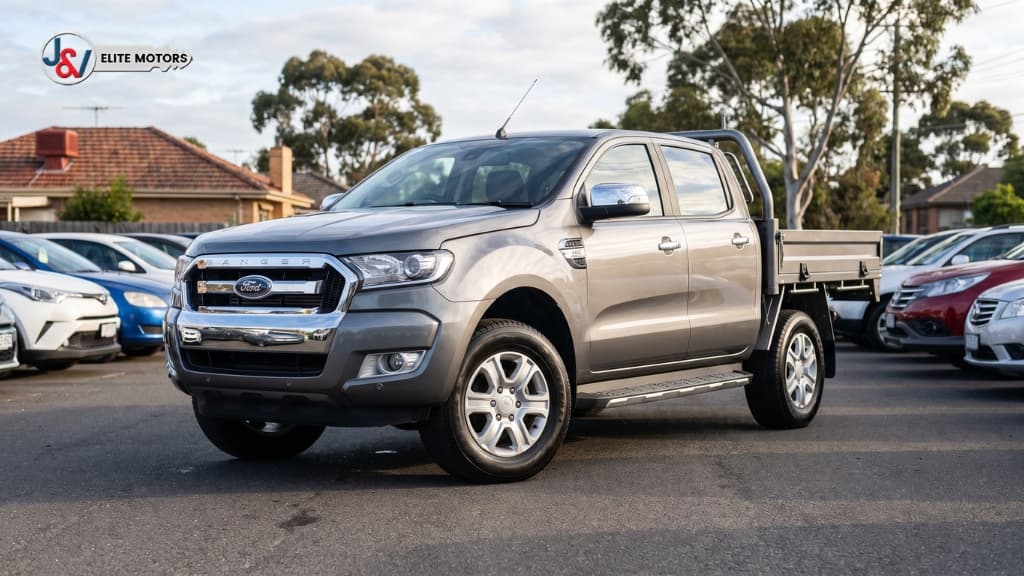
Our 2018 Ford Ranger review for used buyers: engines, prices, common faults and what to check before you buy. Read the guide, then browse Rangers in stock. The 2018 Ford Ranger is one of the safest used ute buys in Australia, provided it has a full service history. It offers a strong turbo-diesel engine, a comfortable cabin, a 3,500kg braked towing capacity and a five-star ANCAP safety rating. Watch for DPF and EGR issues on city-driven examples, and always check the service book before you commit.
The Ford Ranger was Australia’s second-best-selling new vehicle in 2017, with 42,728 sold just behind the Toyota HiLux (VFACTS). That popularity means plenty of choice on the used market today, and Ford utes are a big part of what we stock. You can browse our used Ford range any time. This review looks at the 2018 model through the eyes of a used buyer: what you get, what to check, and whether it still stacks up. We sell and inspect utes like this every week, so the advice here comes from hands-on experience, not a spec sheet.
Is the 2018 Ford Ranger a good used buy?
Yes. For most buyers, the 2018 Ranger is a smart used purchase: strong diesel, roomy dual cab, 3,500kg towing and a five-star safety rating. The catch is condition: a full logbook and a pre-purchase inspection separate a great buy from an expensive one.
The Ranger appeals because it does two jobs well. It works hard as a ute and behaves like a family car on the weekend. On the used market, that dual-purpose nature keeps demand high, so buy on condition and history rather than price alone.
What engines and variants does the 2018 Ranger come with?
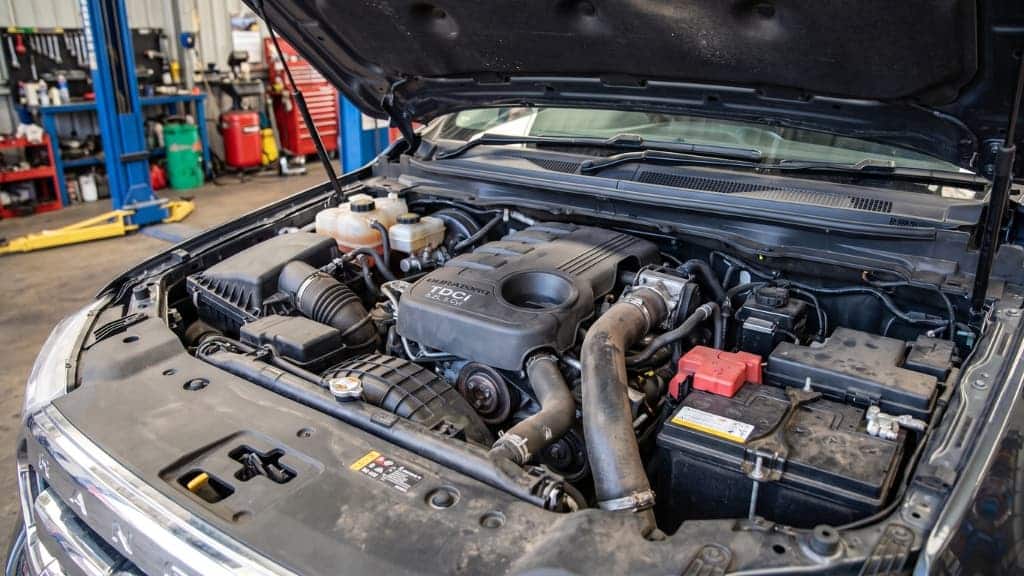
Most 2018 Rangers are the PX MkII with a 3.2-litre five-cylinder or 2.2-litre four-cylinder turbo-diesel. Late-2018 builds may be the updated PX MkIII with the 2.0-litre bi-turbo and 10-speed auto; check the build plate to confirm which you are looking at.
The 2018 Ranger belongs to the PX MkII generation, which ran from 2015. Late in 2018, Ford began rolling out the updated PX MkIII, so a small number of 2018 builds carry the newer engine and gearbox. The build plate tells you which one you have.
Engine options at a glance
The 3.2-litre five-cylinder turbo-diesel is the pick for towing and long trips. The 2.2-litre four-cylinder suits lighter duties and city work. Both are proven units with strong low-down pull.
EnginePowerTorqueBest suited to3.2L 5-cyl turbo-diesel147kW470NmTowing, touring, heavy loads2.2L 4-cyl turbo-diesel118kW385NmCity driving, lighter work2.0L bi-turbo (late MkIII)157kW500NmNewer buyers wanting the latest tech
Which trim levels should you look at?
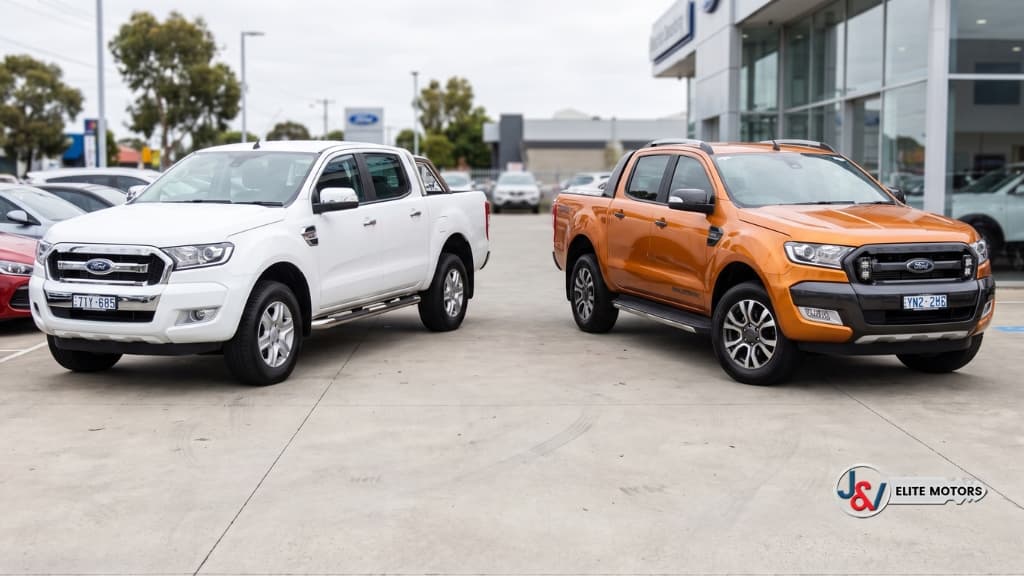
The range runs from the work-focused XL, through the popular XLS and XLT, up to the well-equipped Wildtrak. The XLT is the sweet spot for most private buyers. It adds a touchscreen, rear camera, alloy wheels and better trim without the Wildtrak price. The XL and XLS are ideal if you want a straightforward workhorse. Still weighing your options? Our used-car buyer’s guide for Australians helps you match a variant to how you’ll use it.
How much should you pay for a used 2018 Ford Ranger?
As a guide, tidy 2018 Wildtrak dual cabs were advertised around $29,990–$34,990 in mid-2026 (carsales listings), with higher-kilometre XL or 4×2 models costing less. Always weigh the asking price against service history and how the ute has been used.
Prices move with variant, kilometres and condition. As a snapshot from mid-2026, a 2018 Wildtrak PX MkII 4×4 automatic with about 135,000km was listed near $29,990, while a low-kilometre MkIII example sat closer to $34,990 (carsales). Work-focused XL and 4×2 utes typically sit that band below. Treat these as a starting point and check live listings for today’s market.
What drives the price up or down?
Low kilometres, a full logbook and 4×4 all lift value. A tow bar with light use is a plus. Signs of hard off-road or heavy commercial use push prices down, even at low kilometres. A 2018 Ranger with a clean, road-focused life is worth paying a little more for. When the numbers stack up, you can finance a used Ranger through us and spread the cost.
What common problems should used buyers check for?
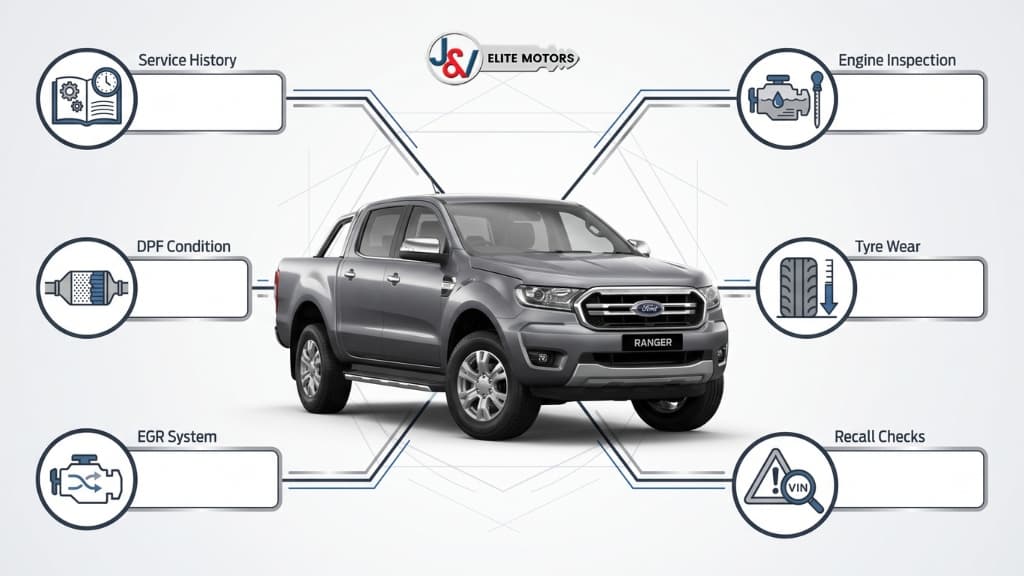
The faults to watch are DPF (diesel particulate filter) blockages on city-driven utes, EGR valve carbon build-up, a crank position sensor that can work loose on the 3.2, and a turbo that can stick if servicing is skipped. Most are preventable with regular maintenance and a full logbook.
Every used ute has weak spots, and the Ranger is no exception. Most issues are manageable if you buy a well-serviced example and check the right things. Below are the faults our workshop sees most often on this generation.
Diesel particulate filter (DPF) and EGR
The DPF traps soot from the exhaust and needs regular highway running to clear itself. City-only Rangers can block up, triggering warning lights and costly cleans. The EGR valve can also clog with carbon. Ask if the DPF has ever been forced to regenerate or replaced, and take the ute for a longer test drive.
Engine and driveline items to inspect
On the 3.2-litre, the crank position sensor can work loose on earlier builds. The variable-geometry turbo can stick if servicing has been skipped. Injectors are reliable but wear past 150,000km on hard-working utes. Listen for rattles on cold start and watch for smoke under load.
Recalls and service history
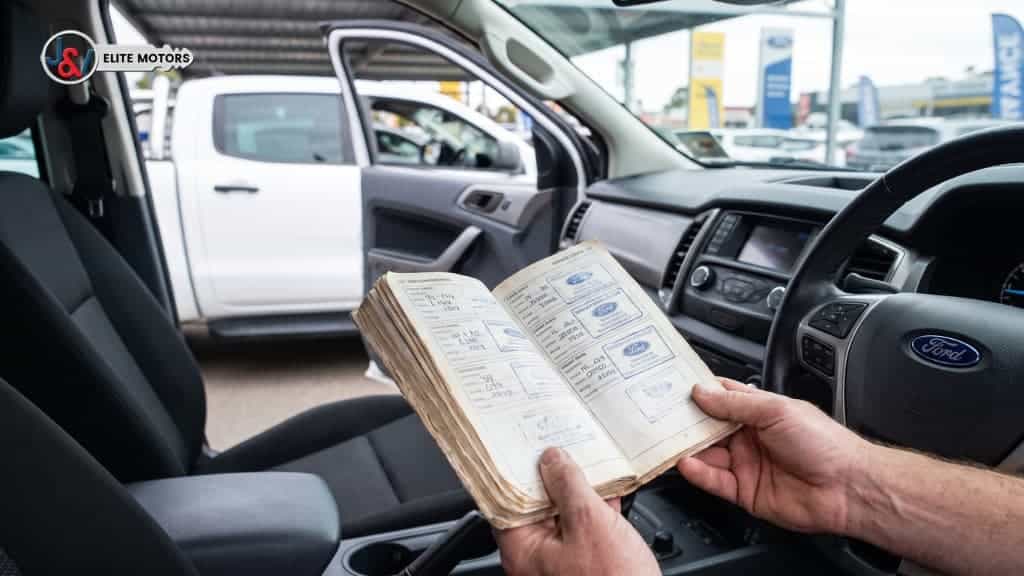
Ford issued recalls for this generation, including a small bash plate fix near the DPF. Confirm any recall work is done. Above all, insist on a full service history. A stamped logbook is the single best sign the ute has been looked after. Want a second opinion before you buy? You can arrange a pre-purchase inspection with our team.
How does the 2018 Ranger drive and tow?
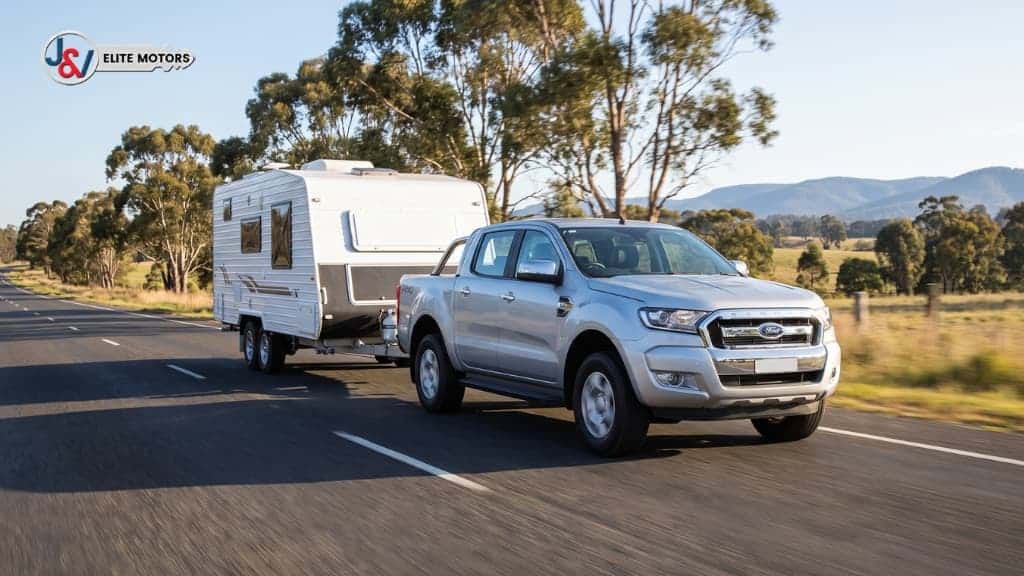
It drives more like a large SUV than an old-school ute: settled ride, quiet cabin and strong low-rev pull. With a 3,500kg braked towing capacity on most 4×4 variants, it handles caravans and trailers with ease.
The Ranger drives more like a large SUV than an old-school ute. The ride is settled, the cabin is quiet at highway speed, and the diesel pulls strongly from low revs. For families and tradies alike, it is easy to live with day to day.
Everyday comfort and tech
Higher trims get a touchscreen with Apple CarPlay and Android Auto, a reversing camera and cruise control. Space in the dual cab is generous for five. The tray is practical for work, and the payload suits most trade needs. It is a genuine dual-purpose vehicle.
2018 Ford Ranger vs Toyota HiLux: which used ute wins?
Both are excellent. The Ranger generally offers a more car-like ride, a roomier cabin and more torque from the 3.2 diesel. The HiLux is famous for bulletproof reliability and strong resale. Pick the Ranger for comfort and towing; the HiLux for maximum peace of mind and resale.
Frequently Asked Questions
Is the 2018 Ford Ranger reliable?
Yes, when well maintained. The diesel engines are durable and the driveline is proven. Reliability drops on examples with skipped services or heavy off-road use, so a full logbook and a pre-purchase inspection are essential.
What are the most common 2018 Ford Ranger problems?
The most reported issues are DPF blockages on city-driven utes, EGR valve carbon build-up, a loose crank position sensor on the 3.2, and turbo sticking from poor servicing. Most are preventable with regular maintenance.
Which 2018 Ranger engine is best for towing?
The 3.2-litre five-cylinder turbo-diesel is the best tow engine. It makes 470Nm and pairs with a 3,500kg braked towing capacity on most 4×4 variants, making it ideal for caravans and trailers.
How many kilometres is too many for a used Ranger?
Kilometres matter less than how they were driven. A 150,000km highway-driven Ranger with full history can be a better buy than a low-kilometre ute used hard off-road. Judge condition and service history first.
Does the 2018 Ford Ranger have a good safety rating?
Yes. This generation holds a five-star ANCAP safety rating, with features such as multiple airbags, stability control and, on many variants, a reversing camera. Always confirm the exact features fitted to the specific vehicle.
Should I choose the XLT or the Wildtrak?
The XLT offers the best value for private buyers, with strong equipment at a lower price. The Wildtrak adds styling and extra features but costs more. Both are excellent; your budget usually decides.